
California Notary Forms and Regulations: Your Friendly Guide to Getting It Right
- Patsy Chappell

- Mar 20
- 4 min read
If you’ve ever needed a document notarized in California, you know it can feel like navigating a maze. But don’t worry! I’m here to walk you through the essentials of California notary forms and regulations with a friendly, no-nonsense approach. Whether you’re a notary yourself or just someone who needs a notarized document, understanding the ins and outs can save you time, money, and a whole lot of headaches.
Let’s dive in and demystify the process together!
Understanding California Notary Forms: What You Need to Know
First things first: what exactly are California notary forms? Simply put, these are the official documents that a notary public uses to perform their duties. They include everything from the Acknowledgment Certificate to the Jurats and the Proof of Execution by Subscribing Witness. Each form serves a specific purpose and must be completed correctly to ensure your notarization is valid.
For example, an Acknowledgment is used when the signer confirms they signed the document willingly. A Jurat, on the other hand, requires the signer to swear or affirm the truthfulness of the document’s contents under oath.
Here’s a quick rundown of the most common forms you’ll encounter:
Acknowledgment Certificate: Confirms the signer’s identity and willingness.
Jurat: Requires an oath or affirmation from the signer.
Proof of Execution by Subscribing Witness: Used when the signer is not present but a witness can attest to the signature.
Copy Certification: Certifies that a copy of a document is a true and accurate reproduction.
Knowing which form to use is half the battle. And remember, each form has specific wording and formatting requirements set by the California Secretary of State.
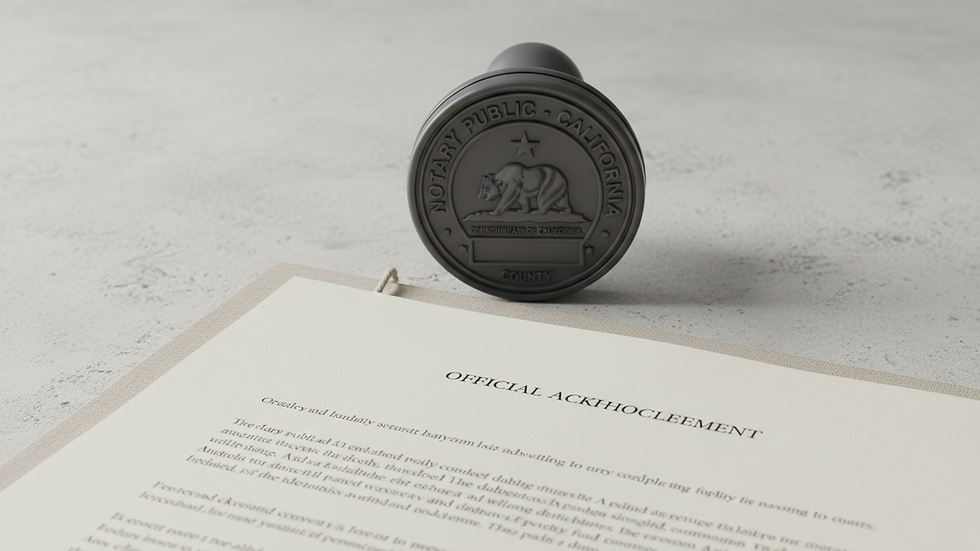
If you want to get your hands on the official notary forms california directly, the Secretary of State’s website is the best place to start. They provide downloadable, fillable PDFs that are updated regularly to comply with the latest laws.
How to Fill Out California Notary Forms Correctly
Filling out notary forms might seem straightforward, but a tiny mistake can invalidate the entire notarization. Here’s how to avoid common pitfalls:
Use Black Ink Only: California law requires all notarial certificates to be completed in black ink. No fancy colors here!
Complete Every Field: Don’t leave blanks. If something doesn’t apply, write “N/A” instead of leaving it empty.
Match the Signer’s Name Exactly: The name on the form must match the signer’s government-issued ID.
Date and Sign Promptly: The notary’s signature and seal must be applied on the same day the document is signed.
Avoid Pre-Stamping: Never stamp a document before the signer appears. That’s a big no-no.
Here’s a little tip: keep a checklist handy when notarizing. It’s like your personal GPS to avoid getting lost in the paperwork jungle.
Can you notarize documents online in California?
You might be wondering, “Can I get my documents notarized online in California?” The short answer is yes, but with some important caveats.
California has embraced the future by allowing Remote Online Notarization (RON), but only under specific conditions. The notary and signer must both be physically located within California at the time of notarization. The process involves a secure audiovisual platform where the notary can verify the signer’s identity and witness the signing in real-time.
Here’s what you need to know about online notarization in California:
The notary must be commissioned in California.
The technology platform must meet strict security standards.
The entire session is recorded and stored for a minimum of 10 years.
The signer must use valid government-issued ID verified through multi-factor authentication.
This option is a game-changer for busy folks or those who can’t easily get to a notary’s office. But remember, not all documents are eligible for online notarization. For example, documents related to real estate transactions often require in-person notarization.

Common Mistakes to Avoid When Using California Notary Forms
Even seasoned notaries slip up sometimes. Here are some classic blunders to watch out for:
Not Verifying Identity Properly: Always check the signer’s ID carefully. If you’re unsure, ask for a second form of ID.
Using Incorrect Forms: Using the wrong certificate can invalidate the notarization. Double-check which form fits your situation.
Failing to Record the Notarization: California requires notaries to keep a journal of all notarizations. Skipping this step can lead to penalties.
Ignoring Expiration Dates: Notary commissions expire, and so do some forms. Make sure everything is current.
Pre-signing or Pre-stamping Documents: This is illegal and can get you into serious trouble.
If you’re a notary, staying sharp and following the rules isn’t just about compliance—it’s about protecting yourself and your clients.
Tips for Notaries: Staying Compliant and Efficient
Being a California notary is a responsibility, but it doesn’t have to be a headache. Here are some practical tips to keep your notary business running smoothly:
Invest in Quality Supplies: A durable notary stamp and a well-organized journal are your best friends.
Stay Updated on Laws: California’s notary laws can change. Subscribe to updates from the Secretary of State.
Use Technology Wisely: Digital tools can help you manage appointments, reminders, and record-keeping.
Educate Your Clients: Sometimes, clients don’t know what to expect. A quick explanation can save time and confusion.
Practice Makes Perfect: Run through the forms and procedures regularly to keep your skills sharp.
Remember, your role is to be the trustworthy middleman who ensures documents are signed correctly and legally. Think of yourself as the gatekeeper of authenticity!
Wrapping It Up: Your Next Steps with California Notary Forms
Navigating California notary forms and regulations might seem like a maze, but with the right knowledge, it’s more like a well-marked trail. Whether you’re notarizing a power of attorney, a deed, or a simple affidavit, understanding the forms and rules is key.
If you’re looking for official resources, don’t forget to check out the notary forms california page for the latest and greatest. And if you’re considering online notarization, make sure you’re working with a licensed California notary who follows all the legal requirements.
So next time you face a stack of documents needing notarization, you’ll be ready to tackle it with confidence and maybe even a little smile. After all, a little knowledge goes a long way in turning paperwork from a chore into a breeze!
Happy notarizing!


Comments